
Deep Winter
Kaamos, Christmas, the polar night
Season 08 / 08
The silence is the first thing that sticks with me. Not the cold, not the darkness, but the silence. In deep winter, the world becomes so quiet that you can’t hear a thing, and then, when it’s really cold, you hear the branches crack. That always happened in January.
I lived in Finnish Lapland for six winters, and deep winter was the season I was most curious about before I’d ever experienced it. I wanted to know what the polar night felt like. Is it really so dark that it makes you depressed? I was partly afraid of it and partly wanted to experience it for myself. How long would the darkness actually last, and how would I react to it? Would it really have that kind of effect on me?
The honest answer, after six of those winters, is that it didn’t make me depressed. It had other effects. One of them surprised me: I had a huge craving for sweet things. I’d read somewhere that people crave more sugar during the polar night, and that turned out to be true for me, too. I ate a lot of delicious chocolate during those weeks, and the mint-chocolate candies in particular became my favorite; there was something about that cool, refreshing flavor combined with the dark chocolate. Welcome to Lapland’s darkest & coziest season!
The season in one sentence
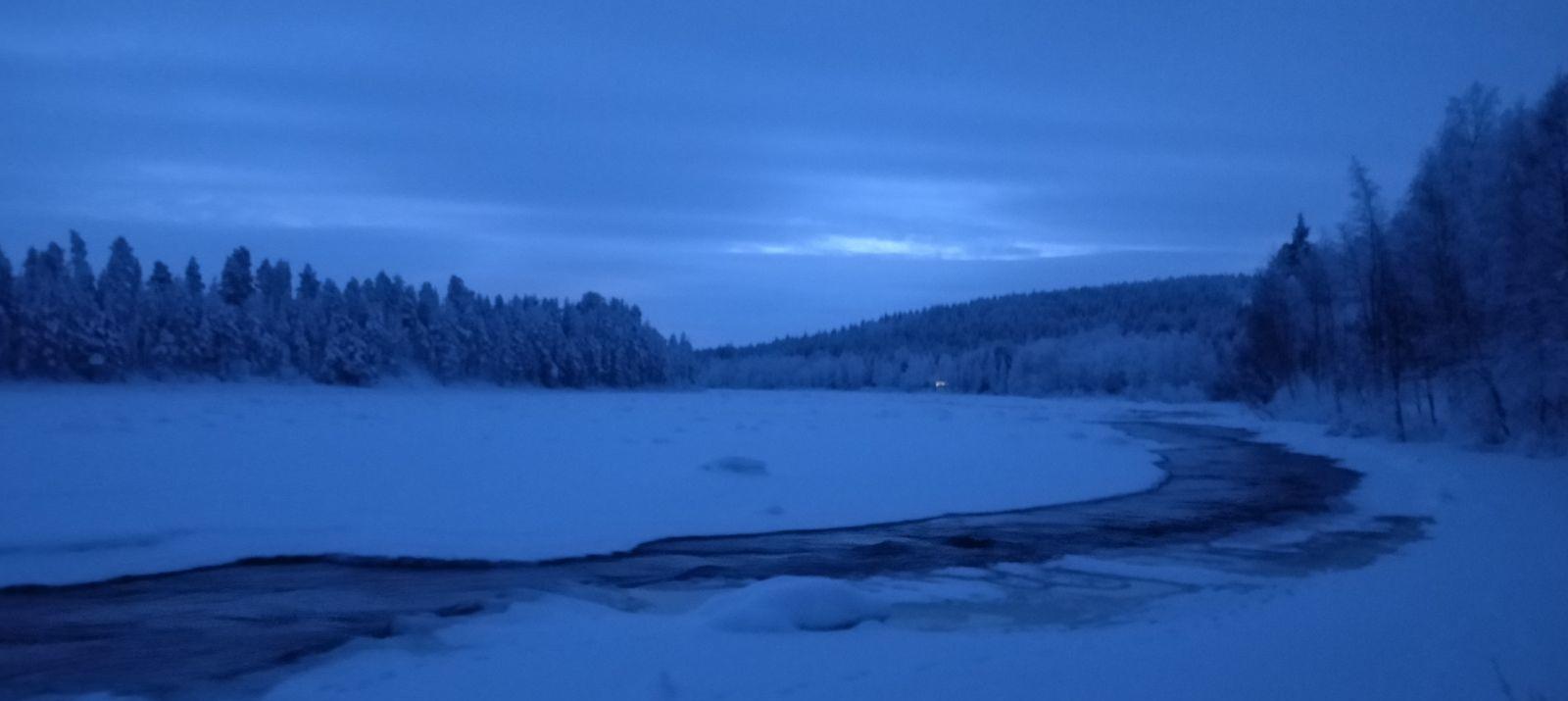
The whole world gone blue and white. This is about as light as it got.
The season
When the Sun No Longer Rises
Two hundred kilometers above the Arctic Circle, there’s a brief moment of daylight between 10 a.m. and 4 p.m. After 4 p.m. darkness falls, and it’s time for a warm sauna and a fire in the hearth, until the northern lights lure you back outside.
That’s what a day looks like in the depths of winter, and the days grow shorter and shorter as December progresses. I kept a diary during those years, and I can see it happening in my own handwriting. Early December: sunrise at 11:22, sunset at 1:02 p.m., barely an hour of actual daylight. Then, one morning, the app simply reads N/A. No sunrise, no sunset. The polar night has begun.
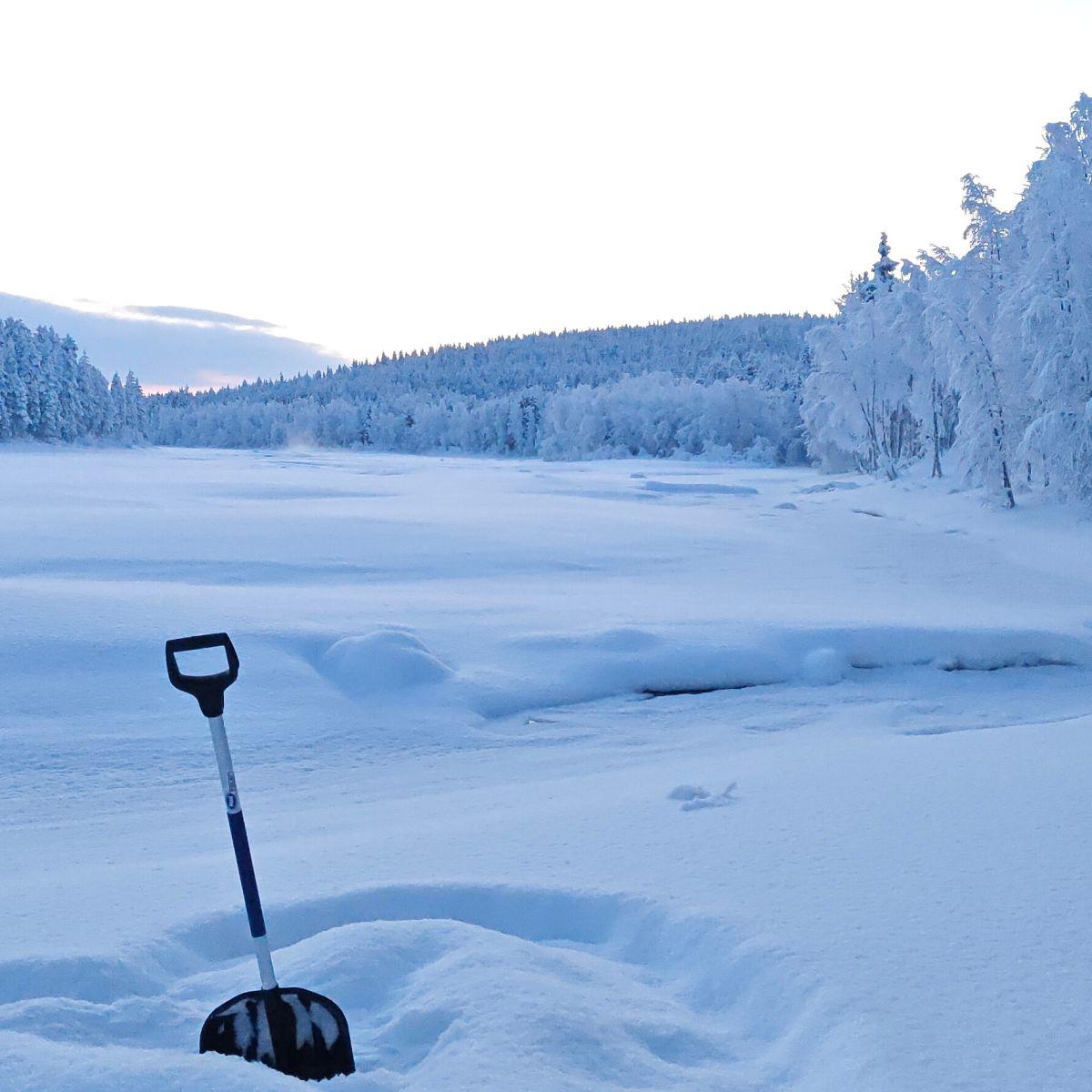
The farther north you go, the longer it lasts. In Rovaniemi, almost exactly on the Arctic Circle, the sun would still creep above the horizon for a few minutes even at the darkest moment. Where I was, further north, the polar night set in around December 10, and the sun didn’t return until January 2: twenty-four days in a row. And even then, we still had to wait until the end of January to feel any warmth from the sun on our faces.
· THE EIGHTH SEASON ·
Discover the Deep Winter collection
The featured works are available as premium illustrations on art blocks, metal plates, and acrylic glass prints. Each one is part of the Lapland 8 Seasons collection.
Blue moment
The atmosphere: blue moment, fire, and the biting cold
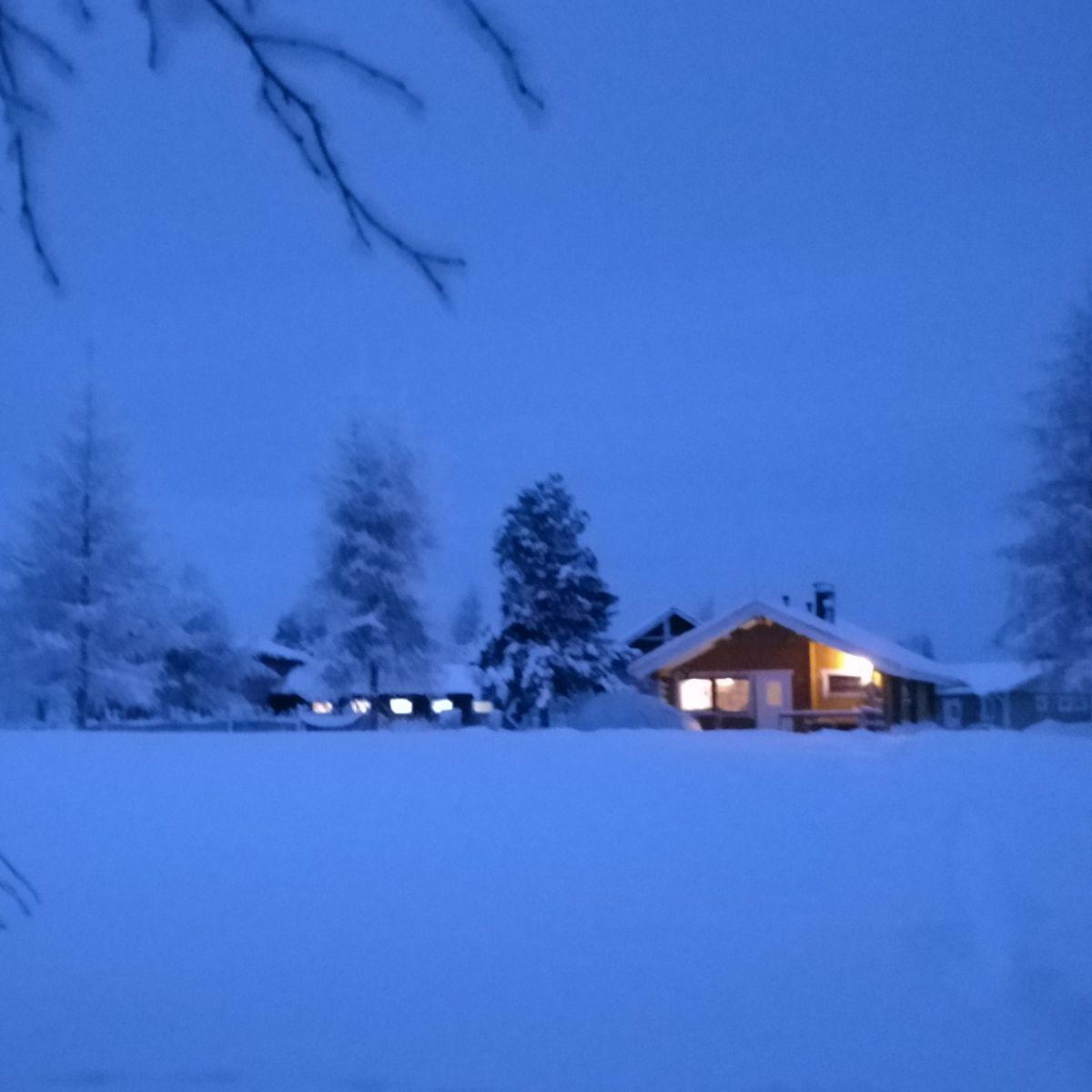
Deep winter has its own special light, even without the sun. Around 2:30 in the afternoon, everything turns blue. A colleague taught me the name for it: the blue moment. It’s a twilight in which all other colors fade away and the entire landscape turns soft and blue, and then it gets dark very slowly. I’ve learned to look forward to it.
And then there’s the cold. It’s not always extreme, often it lasts only a few days in a row, but once it hits, everything changes. I wrote it down: -15 °C and falling, then -24 °C, and the forecasted -30 °C that was supposed to set in around three in the morning. Everything is frozen and white. On days like that, you put on an extra pair of ski pants just to walk to work, and take them off again as soon as you’re back inside.
The cold is also why milk in the store only lasts a few days. In Finland, fresh milk is fortified with vitamin D, because no one produces vitamin D on their own during the polar night. It’s a small, clever survival detail of the darkest season: not just a random fact about milk, but an entire country quietly adapting to months without sun.
After 4 p.m., when it’s truly dark, the best part of the day begins. A good meal: reindeer meat if you’re in the mood for something special, or smoked salmon with a sweet-and-sour sauce and a roaring fire. Then you wait, gazing up at the sky, until the first northern lights lure you outside, into the cold.
Featured works
Two illustrations from deep winter
Sub-Zero Winter
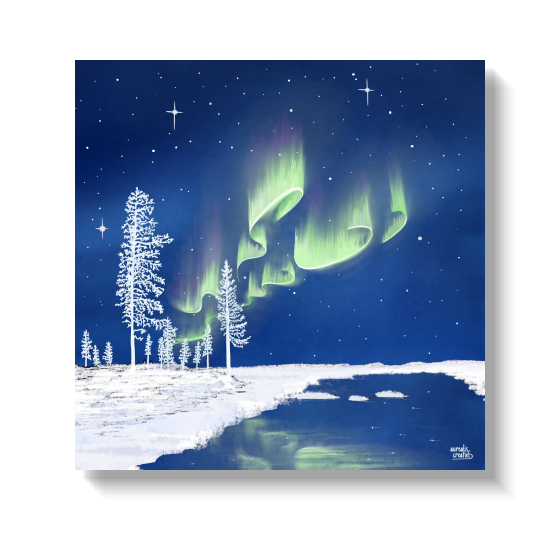
The deep-freeze days, when even the extension cable creaks, and the aurora that calls you back out.
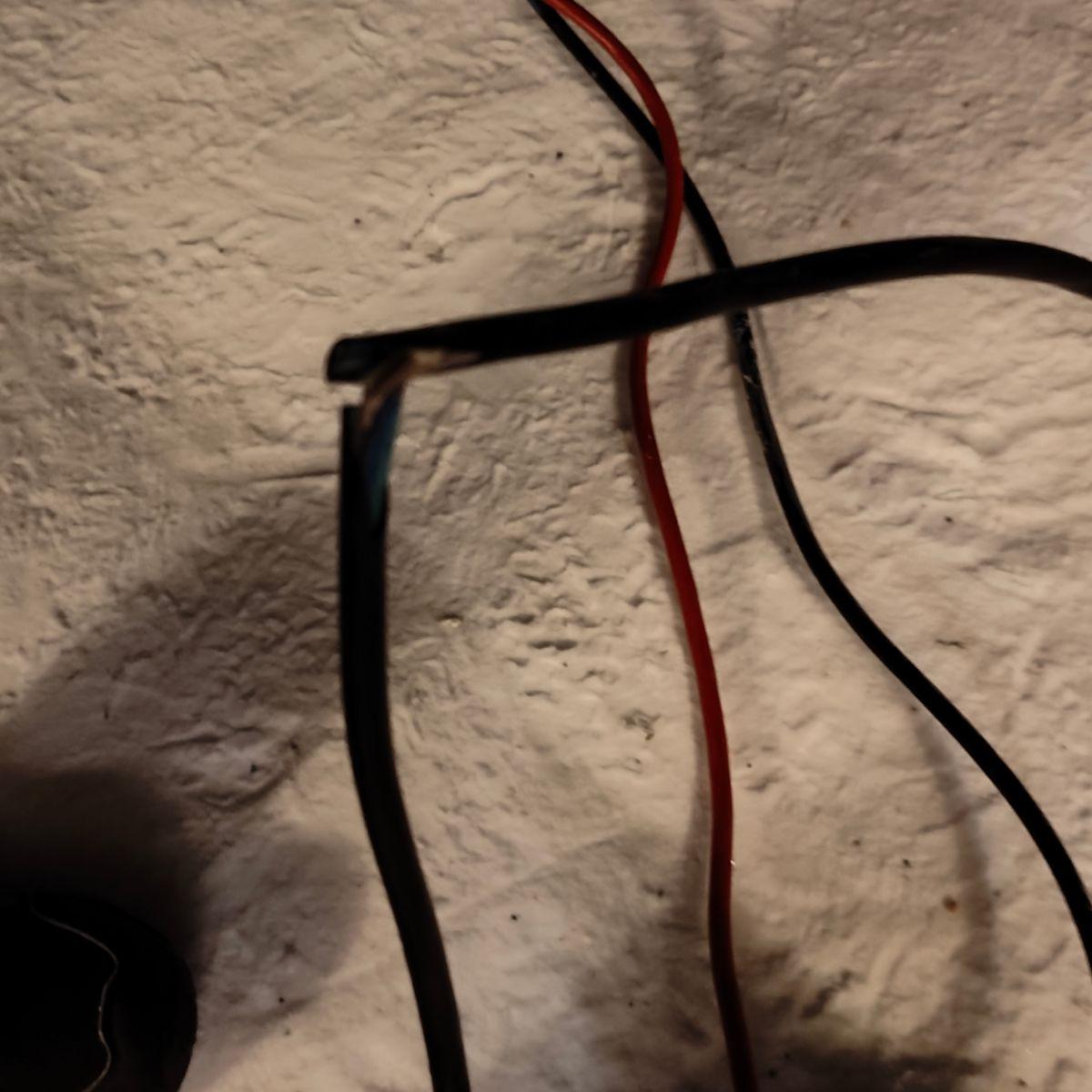
This one comes straight from the coldest days, that period when it’s -40 and the extension cord to the engine block heater gets stiff and snaps in two at the slightest touch. The car needs an engine block heater and a cabin heater just to start in the morning; we had ours installed during our first year, when we first arrived in Rovaniemi.
Sub-Zero Winter is a cold winter night under the Northern Lights: the few hours of daylight are long gone, it’s dark by four o’clock, and the Northern Lights are what lure you back outside, into the freezing cold. The biting cold, the white, and the green above your head.
Kaamos
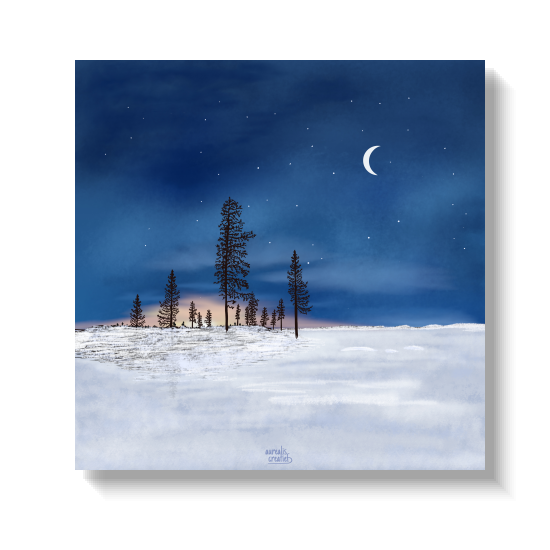
The twilight season, a soft glow of light before the Arctic night returns.
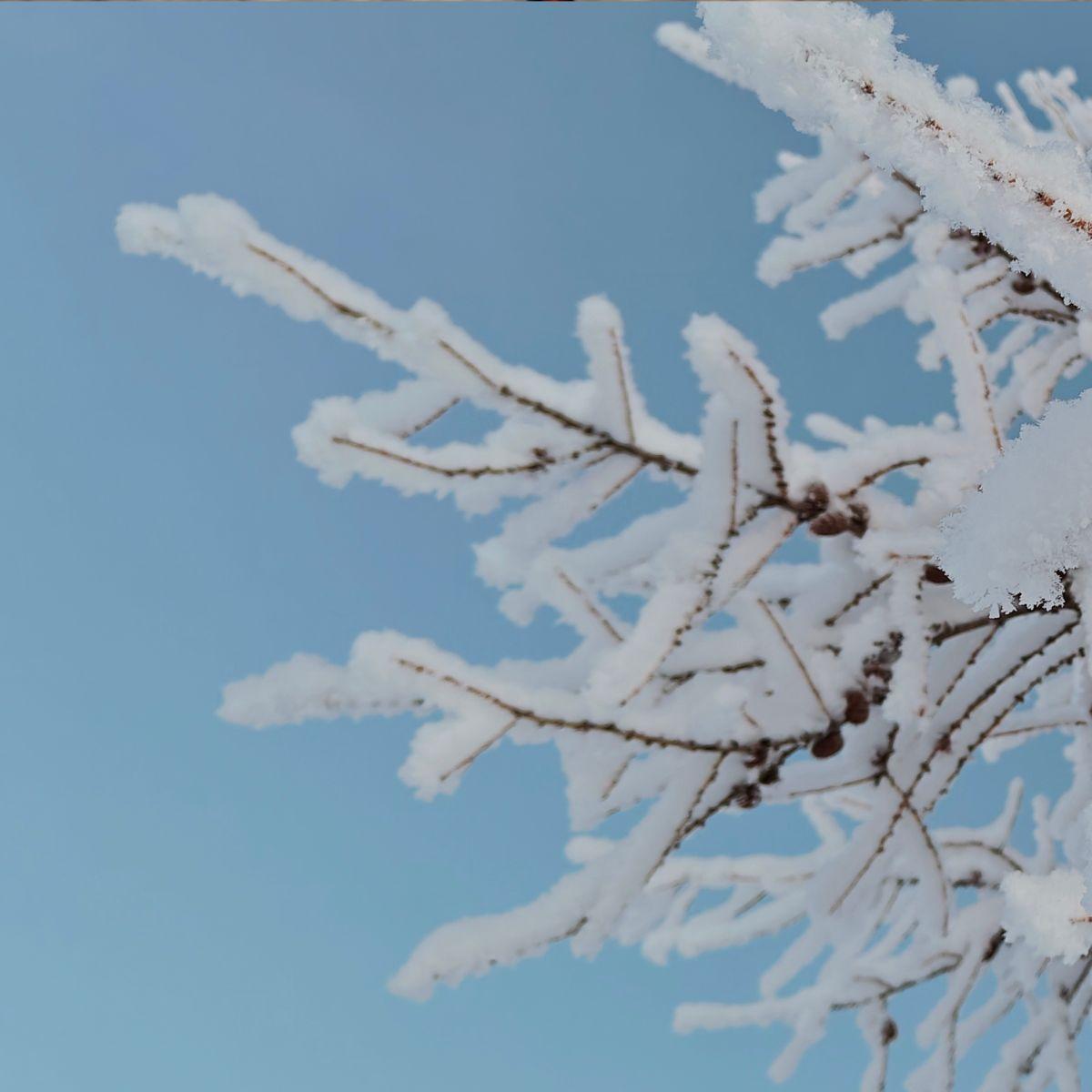
Kaamos is the twilight season itself. Every day, a soft glow appears briefly, after which the Arctic night returns. It is the silence with which I began—the crackling of branches, the blue hour that gives way to darkness in the middle of the afternoon; snow-covered forests, silence, and the cozy evenings by the fireplace that define the dark half of the day. This illustration captures that soft light: the deep, lingering silence of a land that has settled into its darkest, coziest season.
Frequently asked questions
Frequently asked questions
Can you see the northern lights during the polar night in Lapland?
Yes, the polar night is one of the best times for it. With the sun below the horizon, the dark hours stretch long, and any clear night carries a real chance of aurora. Deep winter sits right in the heart of the season, so you wait by the fire, half-watching the sky, and head out when the green appears.
How cold does it get in Lapland in the winter?
In the depths of winter, temperatures in Lapland regularly drop to -20 °C or -30 °C, and cold snaps with temperatures as low as -40 °C do occur, usually lasting only a few days in a row. It’s a dry cold, so with the right layers of clothing, it’s quite manageable. You just have to dress for it properly. The deep, persistent cold of December and January is the norm, but eventually these extreme days will pass.
Polarnight
A note about driving in the dark
Driving in Lapland in the middle of winter is definitely worth it, but you do need to drive carefully. There’s little daylight, usually a long twilight and combined with clouds and light snowfall, it can get really dark on the road.
But it’s truly magical! You can drive 120 kilometers straight through the national park and encounter no more than ten cars along the way. That sense of emptiness is part of the magic.
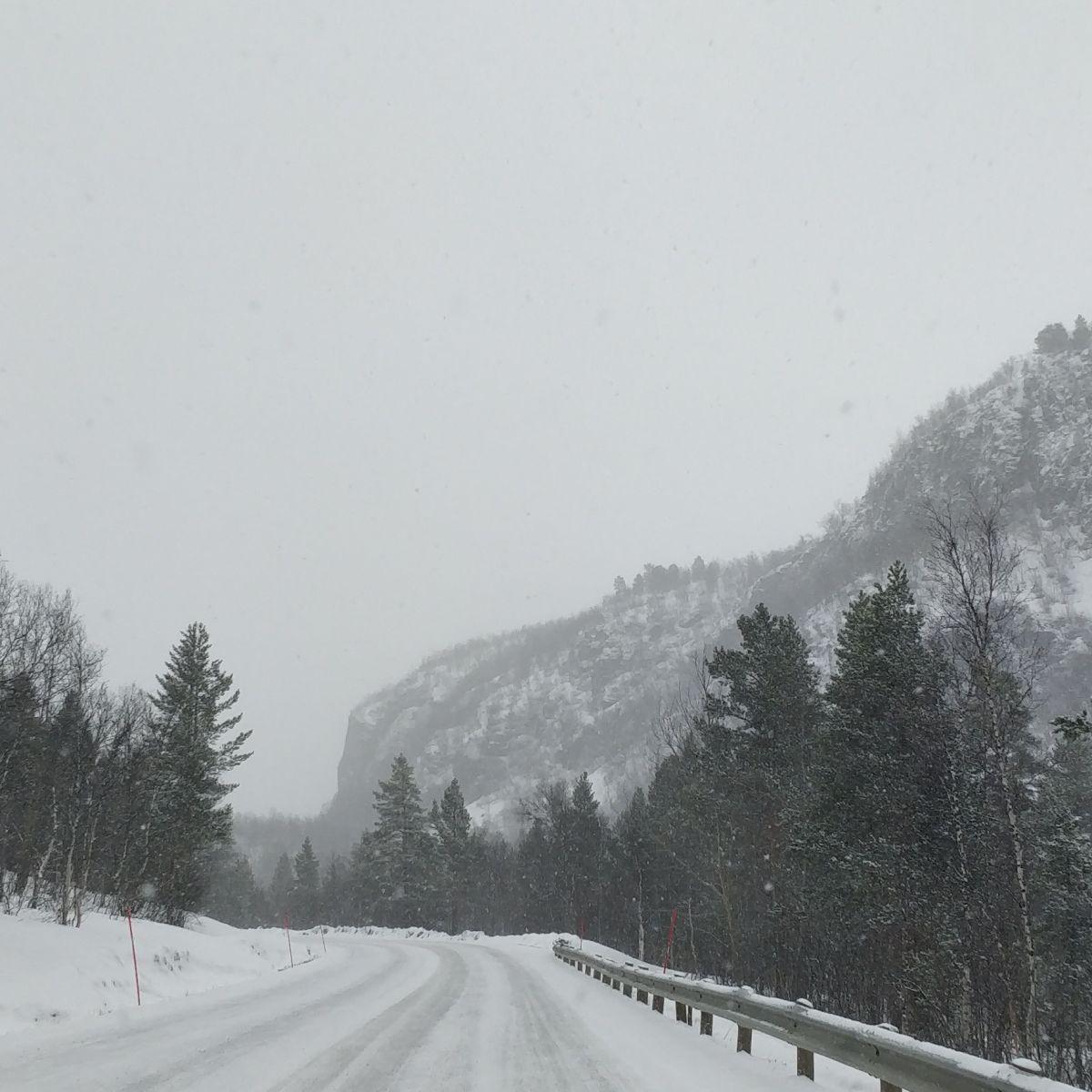
Two illustrations from the “Into the Nordic Wilderness” collection capture this perfectly: Lapland Ice Drive and Roadtrip.
Where this season fits in the cycle
Deep winter is the eighth and final season of the Lapland year, the turning point when everything is at its darkest and when, around the winter solstice on December 21, the light begins to return minute by minute. The day after the solstice, the sun rises above the Arctic Circle for only a few minutes. From that moment on, it gets a little lighter every day.
And so the cycle is complete. Deep winter is followed by the icy, gradually brightening light of late winter, then the crusty snow of spring, and the entire year with its eight seasons begins all over again.
First Snow
This is the final season in the cycle. From here it begins again at Frosty Winter.
Lapland 8 Seasons · THE EIGHTH SEASON
Discover the Deep Winter collection
Both featured works are available as premium illustrations on art blocks, metal plates, and acrylic glass prints. Each one is part of the Lapland 8 Seasons collection.