
Midnight Sun
Lapland's Nightless Nights
Season 04 / 08
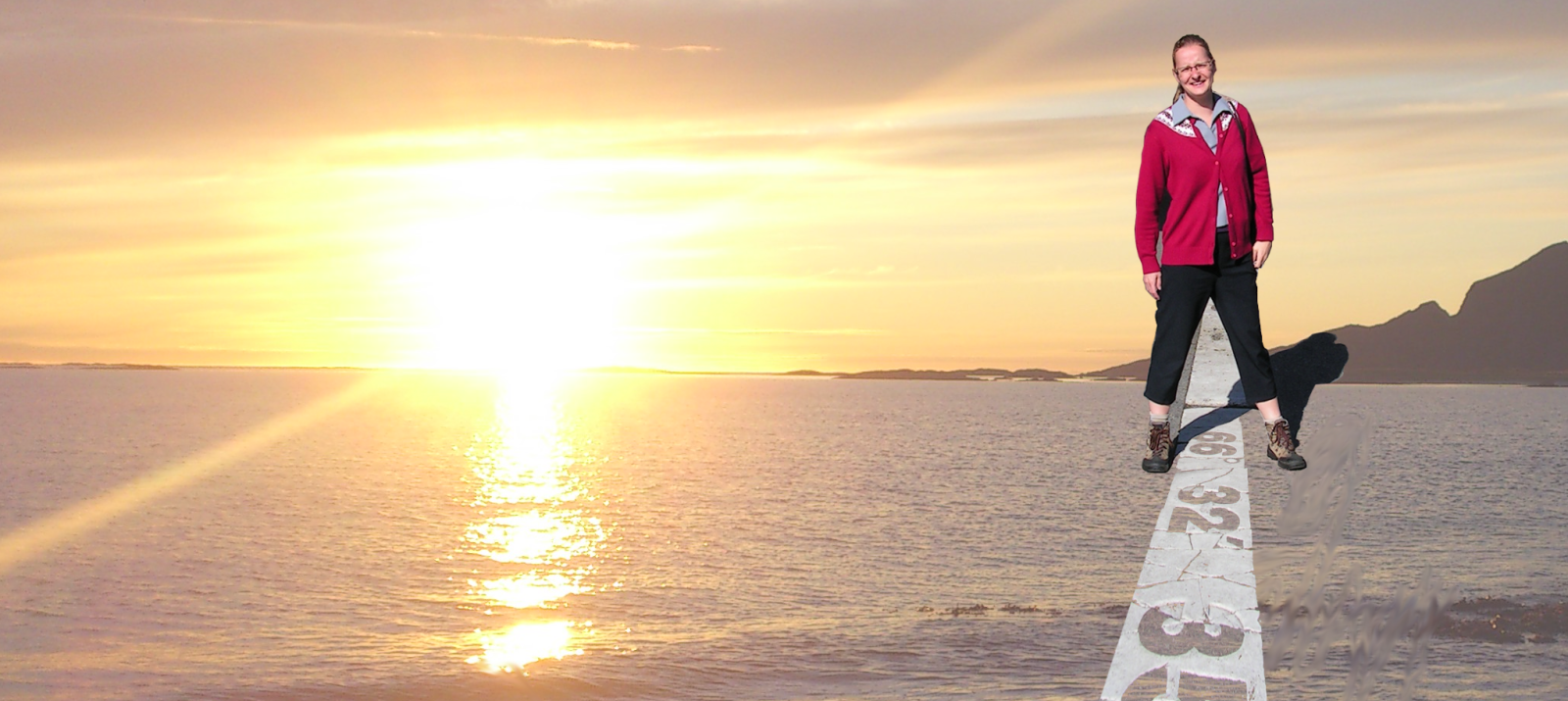
Sometime in mid-May, the sun dips below the horizon for the last time in months. From that moment until the end of July, there are no more sunsets. Just 24 hours of light, day after day… after day. It’s the height of summer in Lapland.
June and July are the warmest months of the year, with average temperatures between 10 and 16 °C. On Midsummer’s Day, June 21, the sun reaches its highest point. The further north you travel, the more nights without darkness await you.
The season in one sentence
There is a season in Lapland when the sun forgets how to set. For weeks on end, it simply refuses to dip below the horizon.
The season
A beach on Andøya
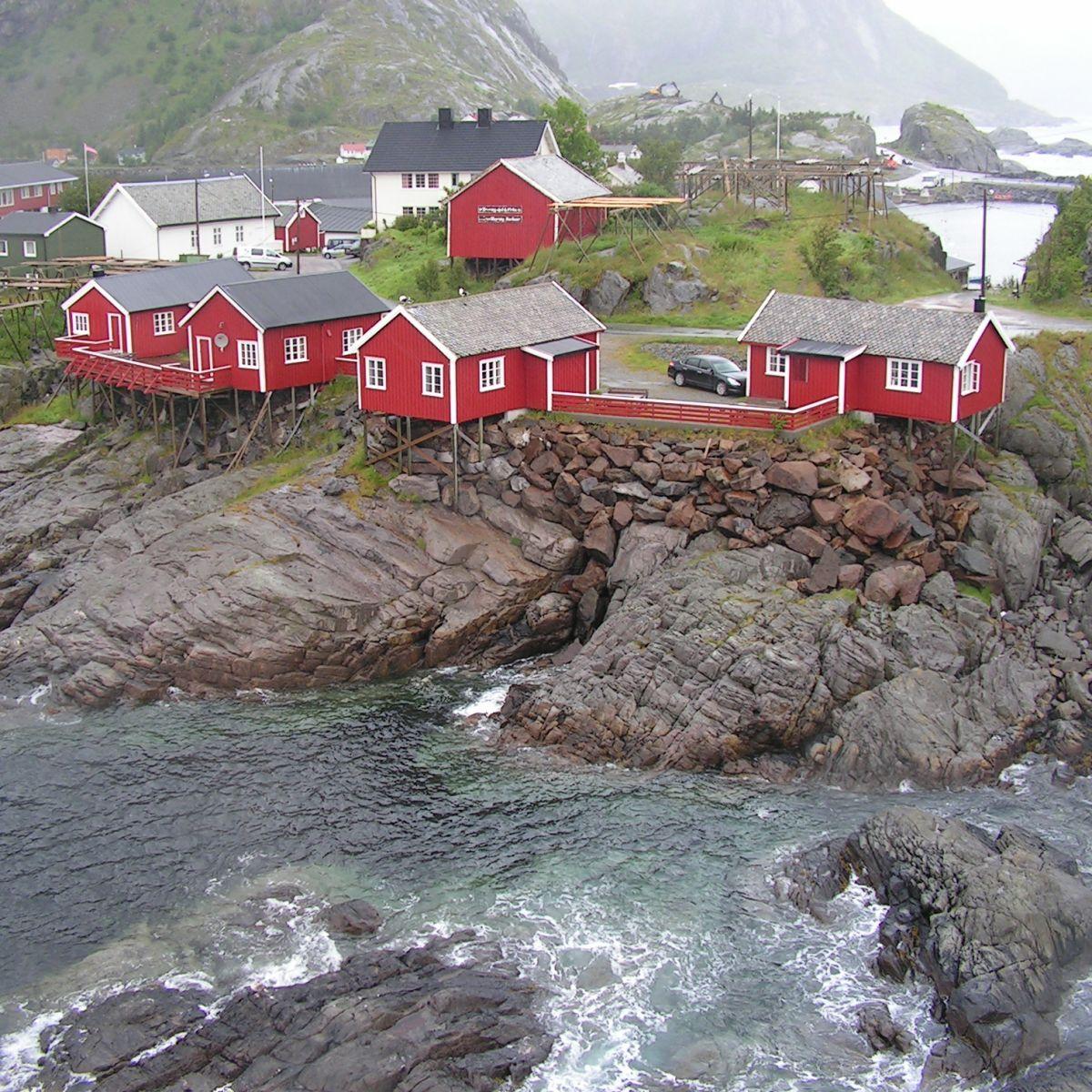
On a beach on Andøya, I once watched as the sun barely touched the sea, didn’t sink any deeper, and half an hour later rose again. It never got dark.
That moment encapsulates the entire season in a single image. In Lapland’s fourth season, summer, it simply doesn’t get dark. There is constant light, the days seem endless, and it throws your sense of time into disarray.
This is the fourth chapter in the “Lapland 8 Seasons” series, and probably the most disorienting if you’re only used to normal nights.
· The FORTH Season ·
Discover the Midnight Sun - collection
All three featured works are available as premium illustrations on art blocks, metal plates, and acrylic glass prints. Each one is part of the Lapland 8 Seasons collection.
Transforming light
A light that transforms the atmosphere of everything
Above the Arctic Circle, sunsets last an exceptionally long time; it’s a slow process. The sun glides along the horizon for hours instead of disappearing behind it. Even when the sky finally starts to darken a bit in late July or early August, twilight lingers for what seems like an eternity. The same thing happens in winter, but in reverse: the polar night is never as dark as people imagine, because twilight lasts so long.
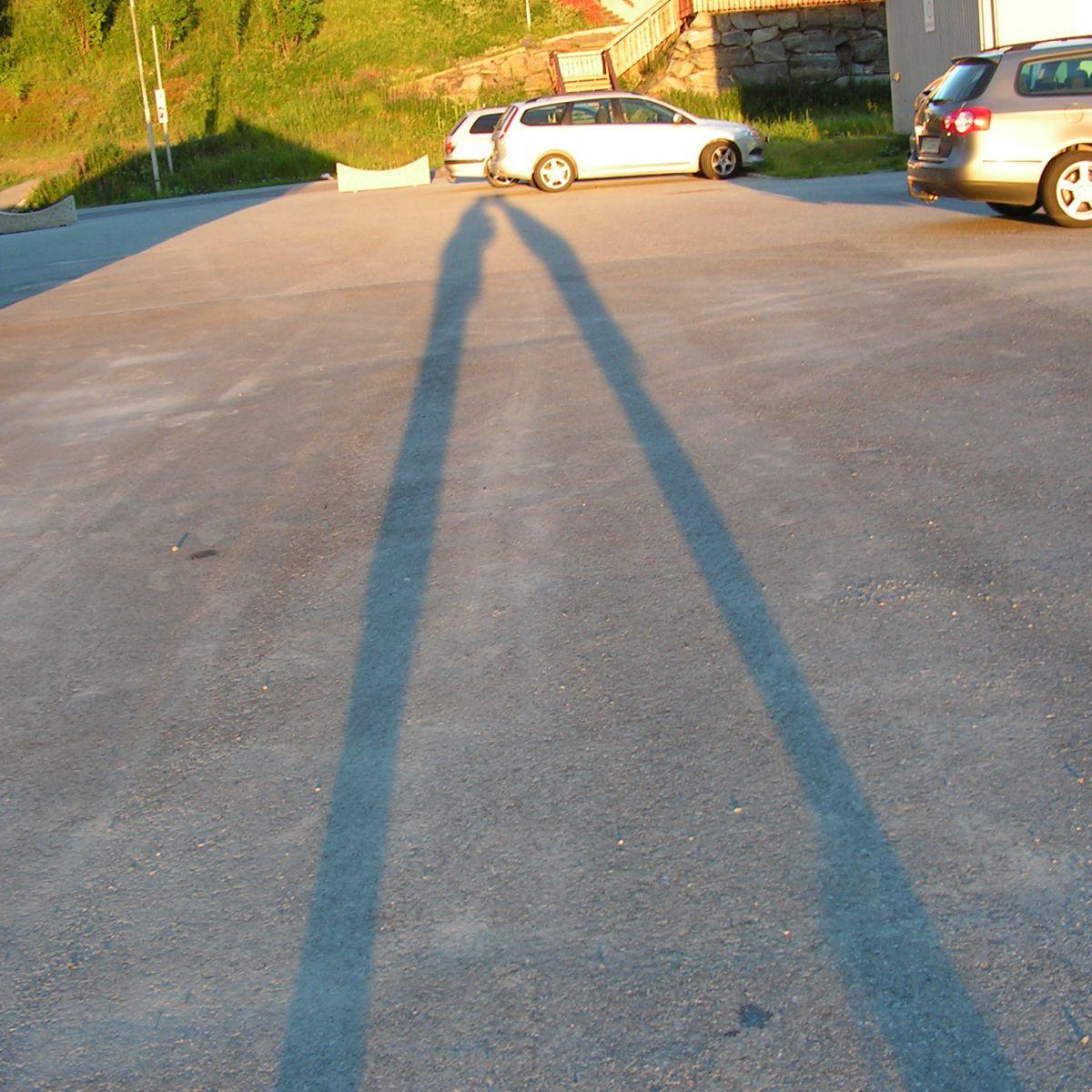
Your shadow on the road tells you that something else is going on, too. At midnight in Arctic Norway, mine stretched ten or twelve metres across the asphalt. Back home, you can’t get that kind of slanting light, no matter how late you stay outside.
Driving through endless light
In July 2007, I drove from Belgium to the Lofoten Islands and back: five days north, a week on the islands, and five days back home. Five years later, in 2012, I did it again, this time all the way along the Norwegian coast to the North Cape, before returning via Rovaniemi.
Both trips threw my sense of time off. You glance at the clock, and it’s six o’clock in the evening. You look again, and it should almost be midnight, but the light has barely changed. You keep driving because there’s no sign telling you to stop. The road, the fjord, the mountain, the next bend, everything remains just as brightly lit. Late afternoon never comes.
That feeling, the high steel-blue sky that refuses to fade, is exactly what I’ve tried to capture in the second illustration of this collection.
Featured work
Midnightsun in Lapland
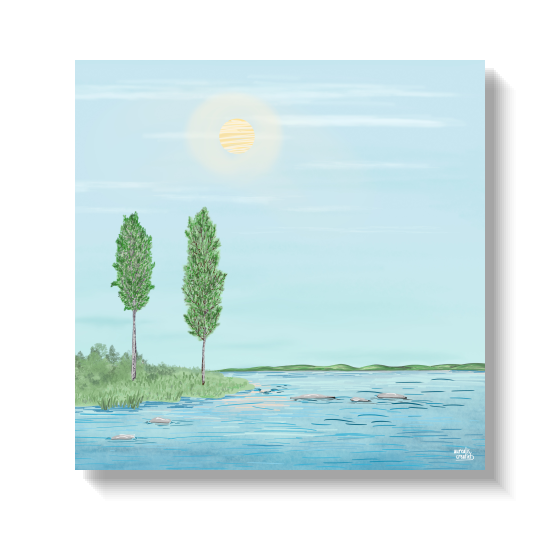
A clear, steel-blue sky and the sun high in the sky, refusing to set. The most direct tribute to the midnight sun in the collection.
Sleeping at night
Trying to sleep when there’s no night
The tricky part about all that light is falling asleep.
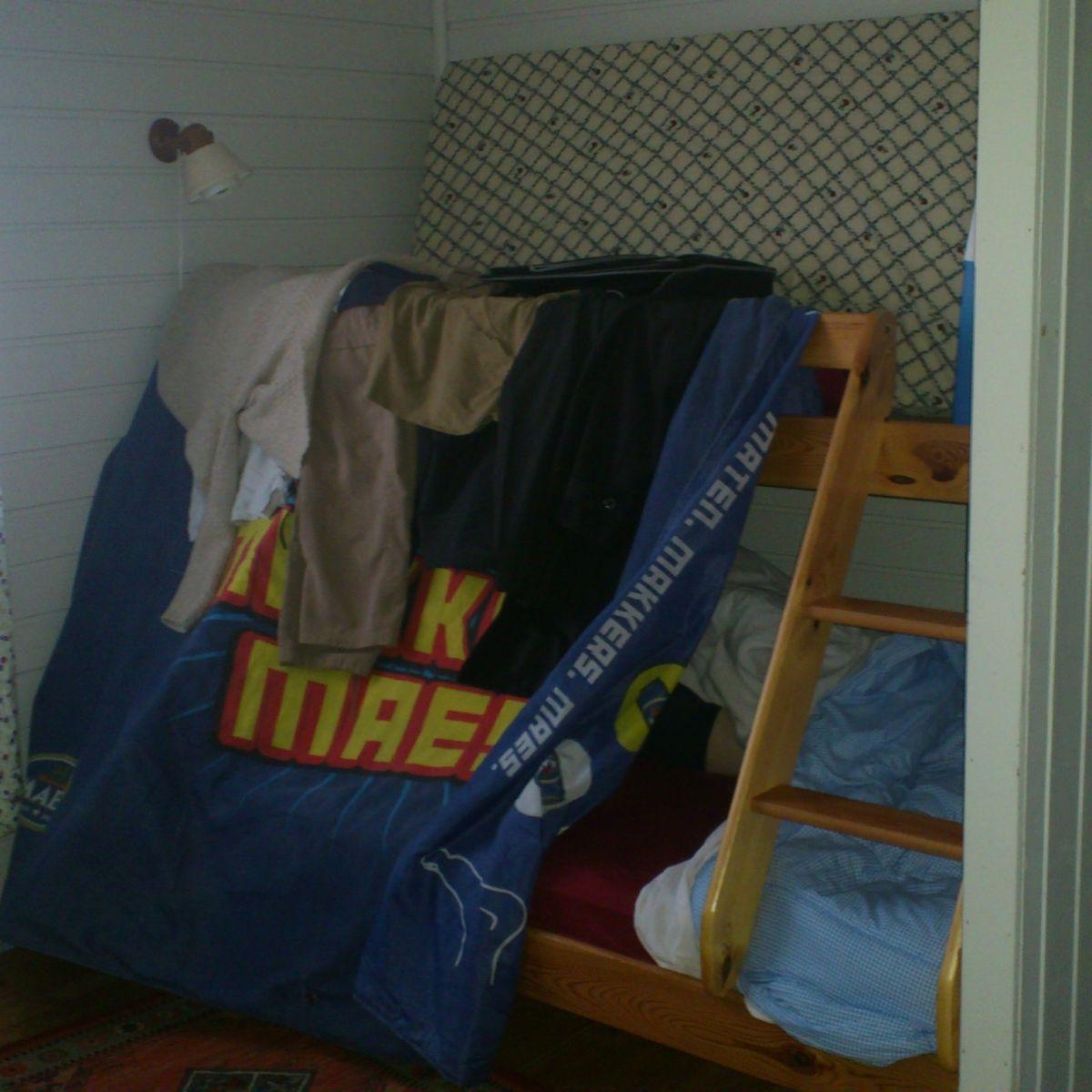
Rorbu cabins and rental apartments often have thin curtains that do almost nothing. So you improvise. Once, in a small bunk bed, I draped my duvet over the railing of the top bunk to create a dark little corner for myself underneath.
It worked, a little bit anyway!
Featured work
Summer Evenings
By the time you finally fall asleep, the sun is already slowly rising again. It’s one of those summers when you’ve lost faith in your body: you get hungry at the strangest times, and your body gets all out of whack. Eventually, you give up and just go with it.
It might sound exhausting, but you get used to it, and every time it feels like something special. Eventually, you realise that summer will be over before you know it and that autumn is just around the corner.
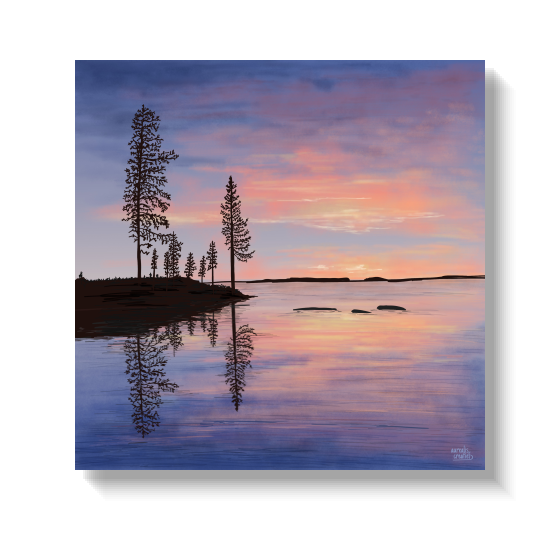
The first illustration in this collection captures the feeling that summer is slowly slipping away, the first hint of a real sunset returning after weeks of uninterrupted daylight.
The moment when summer draws to a close and the sky glows with golden hues.
A vibrant summer
A landscape bursting with life
Lapland is quietly vibrant in the summer. The calendar is packed with festivals, kayaks glide across mirror-smooth lakes, mountain bikes climb the ancient rocky hills, and hikers disappear along endless trails.
Everyone seems to have more energy, more time, and more zest for life.
As the Finns themselves say: every Finn enjoys the greenery, the water, and the sun to the fullest.
For me, this season is all about water. Fjords or lakes, as long as it ripples. Water is movement. Water is life.
The illustrations in this collection fit right in: lots of blue, lots of sky, and that clear Scandinavian sky that still surprises me every time I see it.
reindeer
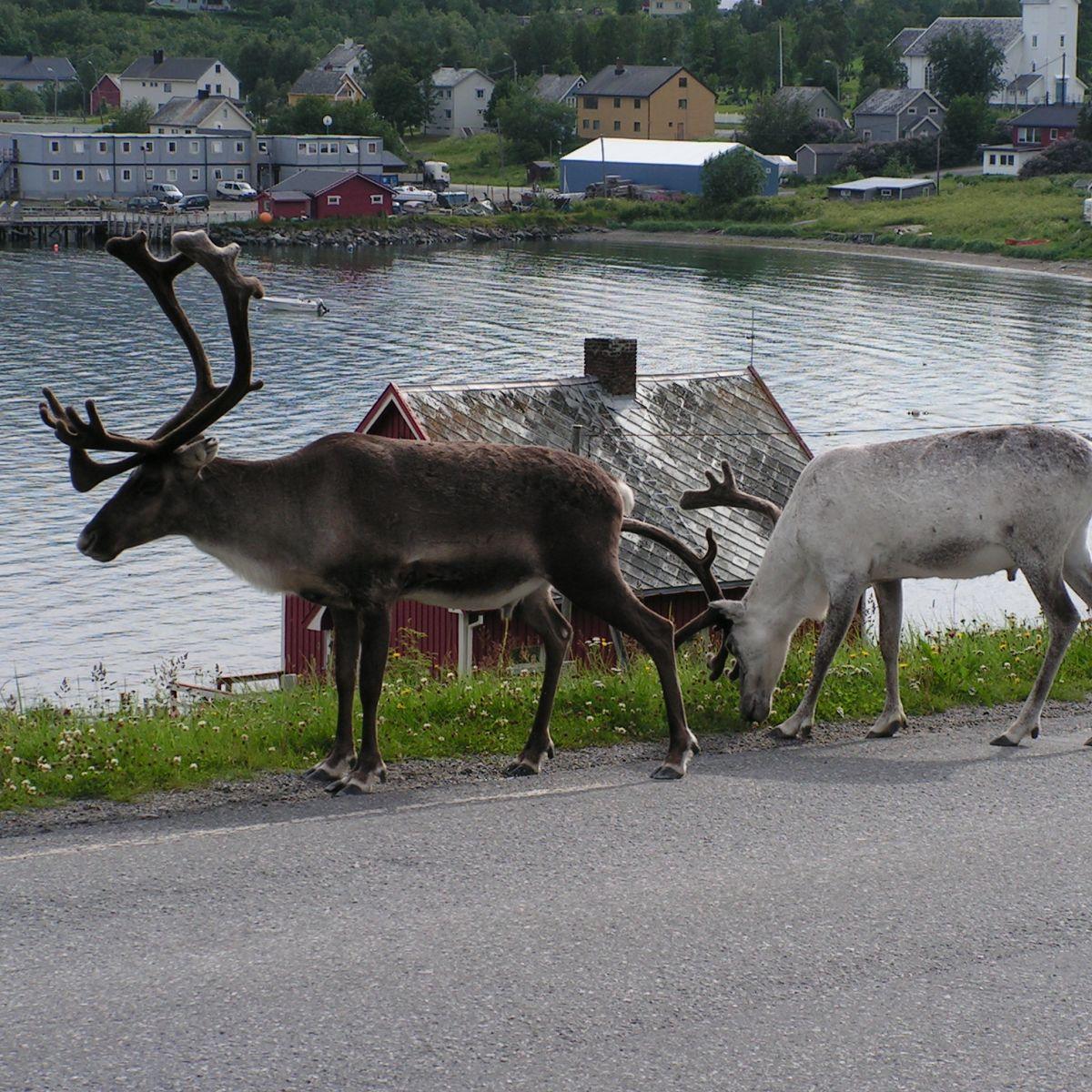
Just a quick note about those reindeer: they aren’t wild animals.
They’re owned by Sámi herders who, depending on the season, manage vast tracts of land. In April 2022, during a trip from our yellow house in Finland to the Arctic region of Norway, we happened to witness the release of reindeer in Havøysund. The driver told us they came from a reindeer farm near Kirkenes.
Ten years earlier, I had photographed reindeer on that same coast that were almost certainly part of the same system, just on a different piece of land. More on that in another article.
Featured work
Nightless Nights.
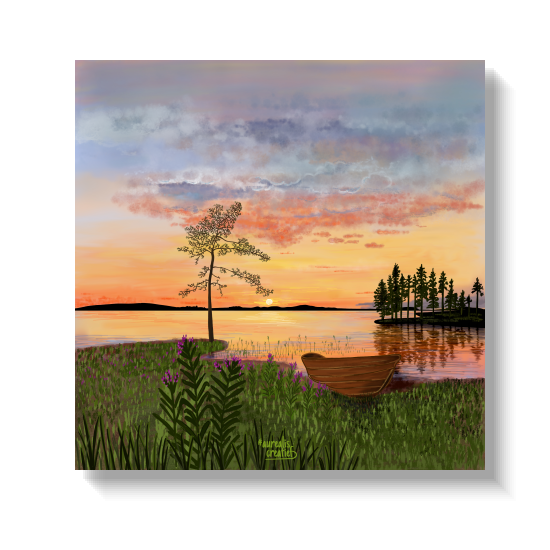
A summer night in Lapland is all about “quiet enjoyment”: a still lake, a small rowboat, a sky that just won’t turn dark. The third illustration in this collection is the quietest of the three, and probably the most romantic as well.
A silent Finnish lake on a midsummer evening. The kind of evening that does not end.
Frequently asked questions
Can you sleep during the midnight sun?
Yes, but it takes some adjustment. The constant daylight can disrupt your body clock and delay sleep. Most travellers use blackout curtains, a good sleep mask, or improvised solutions like a duvet draped over a bunk bed railing. Melatonin can help during the first few nights. After a week, most people adapt.
How many days does the midnight sun last in Lapland?
n Finnish Lapland, the midnight sun lasts about a month at the Arctic Circle, from 6 June to 7 July in Rovaniemi. Further north, it lasts much longer: in Utsjoki, the sun stays above the horizon from mid-May until late July, close to two and a half months.
Why is Finland called the Land of the Midnight Sun?
Finland has earned this nickname because the sun stays above the horizon for weeks in summer in the northern regions. Above the Arctic Circle, the sun does not set at all between mid-May and late July, depending on how far north you travel. This continuous daylight has shaped Finnish culture, folklore, and summer traditions for centuries.
Where this season fits in the cycle
The Midnight Sun is the fourth chapter in the Lapland 8 Seasons cycle. It follows Departure of Ice, the run-up to the midnight sun when Lapland's rivers wake up and the last real nights of the year slowly disappear. Afterwards, the first signs of darkness creep back into the sky, and Lapland turns towards autumn.
PREVIOS Season: Departure of Ice
The season when the silence is over.
The aurora returns
Back to the overview: Lapland 8 Seasons
Lapland 8 Seasons · THE FORTH SEASON
Discover the Midnight Sun - collection
All three featured works are available as premium illustrations on art blocks, metal plates, and acrylic glass prints. Each one is part of the Lapland 8 Seasons collection.